This article explores the dynamics of partial transportation systems between Iraq and Turkey, highlighting their significance, challenges, and the impact on trade and travel in the region.
Understanding the historical context of transportation between Iraq and Turkey is essential for grasping current dynamics. Over the years, various trade routes have emerged, shaped by political relationships and cultural exchanges. For instance, the Silk Road once connected these regions, paving the way for commerce and interaction. Today, remnants of this rich history still influence how goods and people move across these borders.
When we talk about the current transportation infrastructure between Iraq and Turkey, it’s like describing a complex puzzle. Each piece—roads, railways, and airports—plays a crucial role. However, the efficiency of these systems is often hampered by various challenges. For example, many roads are in dire need of maintenance, making travel slow and unsafe. Moreover, the political climate can further complicate matters, leading to delays and disruptions.
The road networks connecting Iraq and Turkey are vital for trade. They serve as the arteries through which goods flow. But, let’s be real—these roads face significant challenges. Issues like maintenance and security concerns often plague drivers. Imagine trying to navigate a bumpy, poorly lit road while worrying about safety. It’s not just inconvenient; it can be downright dangerous.
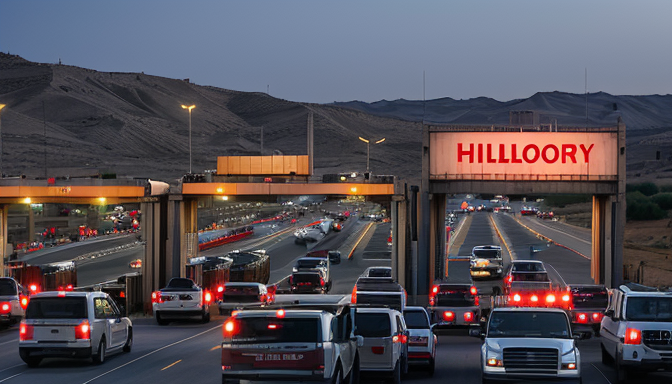
Key border crossings between Iraq and Turkey are critical points for trade. Yet, they often encounter bureaucratic delays and customs challenges. These hurdles can turn a simple trip into a prolonged ordeal. Picture waiting in line for hours, only to face more paperwork. It’s frustrating and can deter businesses from pursuing cross-border trade.
Safety and security concerns along the road networks can significantly affect transportation efficiency. Both commercial and personal travel suffer. Businesses might hesitate to send goods across borders, fearing theft or delays. Travelers, too, may opt for safer routes, which can lead to longer travel times and increased costs.
Now, let’s shift gears to rail transportation between Iraq and Turkey. While it offers an alternative to road transport, it’s not without its own set of challenges. The railways need significant investment and modernization to meet current demands. Imagine a train system that’s stuck in the past while the world speeds ahead. That’s the reality here.
Air travel between Iraq and Turkey has become increasingly popular. It offers a faster and more efficient means of transport. However, it also faces regulatory and operational challenges. For instance, flight schedules can be unreliable due to political issues or seasonal fluctuations. Travelers often find themselves scrambling for alternate plans.
Major airports in both countries serve as critical hubs for air travel. They facilitate not only passenger transport but also cargo services essential for trade. Think of them as the gateways connecting two bustling markets. But, like any busy hub, they can become overcrowded, leading to delays.
The connectivity of flights between Iraq and Turkey is crucial for enhancing business relations and tourism. Yet, seasonal fluctuations and political issues can affect flight availability. Travelers often find themselves navigating a maze of options, trying to find the best route.
The transportation links between Iraq and Turkey are integral to their trade relations. They influence economic growth and bilateral agreements that benefit both nations. Understanding the import and export dynamics provides insights into how transportation systems impact economic exchanges and market accessibility.
Understanding the import and export dynamics between Iraq and Turkey reveals the intricate dance of trade. Transportation systems play a crucial role in determining how easily goods flow between the two countries.
Logistical challenges, such as customs regulations and transportation costs, can hinder the flow of goods. These hurdles necessitate improvements in the transportation framework, ensuring smoother operations and better economic outcomes.
The future of transportation between Iraq and Turkey holds potential for growth and development. Regional cooperation, infrastructure investments, and technological advancements are key to unlocking this potential.
Exploring investment opportunities in transportation infrastructure can lead to enhanced connectivity. This, in turn, fosters economic growth and improves the overall efficiency of trade routes.
Ultimately, regional cooperation between Iraq and Turkey is essential for addressing transportation challenges. By working together, both nations can maximize the benefits of improved trade and travel links.
Historical Context
Understanding the of transportation between Iraq and Turkey is essential for grasping the current dynamics that shape trade routes and political relationships in the region. For centuries, these two nations have been interconnected through various means of transport, influenced by their rich histories and cultural exchanges. The routes we see today are not just lines on a map; they are the remnants of ancient trade paths that once thrived.
Historically, the Silk Road played a significant role in connecting the East and West, including the territories of modern-day Iraq and Turkey. This ancient trade route facilitated the exchange of goods, ideas, and cultures, laying the groundwork for the transportation systems we rely on today. As empires rose and fell, the importance of these routes fluctuated, but the need for efficient transportation remained constant.
In the 20th century, the political landscape changed dramatically. The establishment of new borders post-World War I and the subsequent political tensions influenced transportation dynamics. The Ottoman Empire, which once unified the region, dissolved, leading to the creation of separate nations with distinct policies and regulations. This fragmentation often resulted in complicated trade agreements and logistical challenges that persist to this day.
Moreover, the discovery of oil in Iraq and the growing demand for energy resources in Turkey have added another layer to their transportation history. The need to transport oil and gas has prompted the development of pipelines and road networks, significantly impacting the economic relations between the two countries. However, the geopolitical tensions in the region often create hurdles, affecting the stability and safety of these transport routes.
Key historical events have also shaped the current infrastructure. For instance, conflicts in the region have led to the destruction of vital transportation links, necessitating ongoing repairs and upgrades. The Gulf War and subsequent conflicts not only disrupted trade but also caused long-term changes in how goods are moved across borders. Today, the lingering effects of these events still challenge the efficiency of transportation systems.
In summary, the transportation history between Iraq and Turkey is a tapestry woven from ancient trade routes, political changes, and economic necessities. Understanding this context is crucial for recognizing the challenges and opportunities that lie ahead. The evolution of these transportation links reflects broader social and political changes, making it a fascinating subject worthy of exploration.
Current Transportation Infrastructure
The transportation infrastructure between Iraq and Turkey is a vital lifeline for both nations. It plays a significant role in facilitating trade and travel. However, the current state of this infrastructure is a mixed bag. On one hand, there are established routes and connections. On the other, many challenges lurk beneath the surface, hindering efficiency and reliability.
Let’s dive into the different modes of transportation that link these two countries. The **road networks** are the most prominent. They serve as the backbone of trade. Yet, these roads face serious issues. For instance, many roads are in dire need of maintenance. Potholes and damage can slow down traffic, affecting delivery times. Moreover, security concerns can deter transport companies from using certain routes. This creates a ripple effect, impacting not just trade but also personal travel.
The road networks connecting Iraq and Turkey are crucial for trade. Yet, they face challenges that impact their effectiveness. Here are some key points about these networks:
- Maintenance Issues: Many roads are not well-maintained, leading to delays.
- Security Concerns: Certain areas are deemed unsafe, affecting transport choices.
- Traffic Congestion: High volumes of vehicles can create bottlenecks, further complicating travel.
When it comes to border crossings, these are vital points for trade. However, they often encounter bureaucratic delays. Customs procedures can be lengthy and frustrating. This can hinder the smooth flow of goods between the countries. For instance, a truck carrying essential supplies might be stuck at the border for hours, affecting businesses on both sides.
Safety and security concerns along the road networks can significantly affect transportation efficiency. The fear of theft or violence can lead to higher insurance costs for transport companies. This, in turn, raises the prices of goods for consumers. Both commercial and personal travel are impacted. People may think twice about traveling through certain areas, which can stifle tourism and economic growth.
Rail transportation offers an alternative to road transport. However, it requires significant investment and modernization. The existing rail lines need upgrades to handle current demands. This investment could enhance connectivity and reduce the burden on road networks.
In summary, the transportation infrastructure between Iraq and Turkey is crucial for trade and travel. While there are established routes, significant challenges remain. Addressing these issues will be key to improving efficiency and fostering stronger economic ties between the two nations.
Road Networks
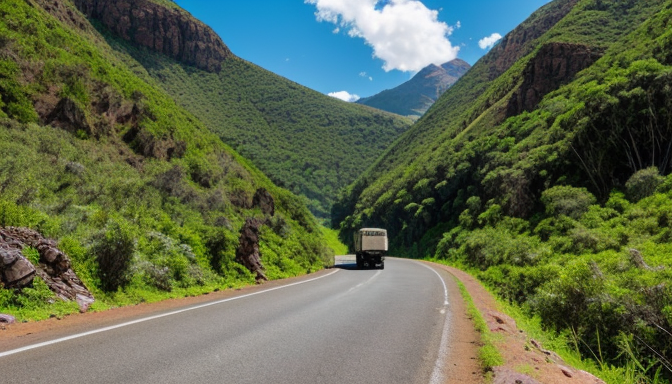
The road networks connecting Iraq and Turkey are like the veins and arteries of a living organism, essential for the flow of goods and people. These roads facilitate trade and travel, but they are not without their challenges. Imagine trying to drive on a road riddled with potholes or navigating through traffic jams caused by security checks. It can be frustrating, right? Well, this is the reality for many who rely on these routes.
One of the primary highways that connects the two countries is the Highway 1, which runs through key cities. This road is vital for transporting goods from Iraq to Turkey and vice versa. However, maintenance issues plague many sections of this highway. Reports indicate that some areas have not seen repairs in years, leading to dangerous driving conditions. The government’s budget constraints often delay necessary work, leaving truck drivers and travelers to deal with the consequences.
Alongside maintenance, security concerns also impact the effectiveness of these road networks. The region has faced its share of conflicts, which can lead to sudden road closures or detours. Travelers often find themselves checking the news or local updates before setting out. It’s not just about getting from point A to point B; it’s about ensuring safety along the way.
Moreover, the key border crossings between Iraq and Turkey, such as the Habur Gate, are crucial for trade. However, they often encounter bureaucratic delays. Picture this: a truck loaded with goods waits for hours at the border, stuck in a line that seems to stretch on forever. Customs regulations can be complex, and sometimes, paperwork is lost in the shuffle. This not only wastes time but also increases transportation costs, which can be a burden for businesses.
To illustrate the current state of road networks, let’s take a look at a brief overview of some key issues:
| Issue | Description |
|---|---|
| Maintenance | Poor road conditions due to lack of repairs. |
| Security | Concerns over safety affecting travel routes. |
| Bureaucratic Delays | Long wait times at border crossings due to paperwork. |
In conclusion, while the road networks between Iraq and Turkey are crucial for connecting these nations, they face significant challenges. Addressing these issues requires cooperation and investment from both governments. After all, a smooth road can lead to prosperous trade and stronger ties between nations. So, the next time you think about the roads we travel, remember the stories they tell and the connections they foster.
Border Crossings
The border crossings between Iraq and Turkey are like the lifelines of trade and travel. They are not just mere checkpoints; they are bustling hubs where goods and people flow between two nations. However, these crossings often face a myriad of challenges that can make the journey anything but smooth.
One of the main issues at these border crossings is the bureaucratic delays. Imagine arriving at a border only to find yourself stuck in a long line, waiting for paperwork to be processed. This scenario is all too common. The customs procedures can be lengthy and complicated, leading to frustration for both commercial transporters and personal travelers. The need for better coordination between customs officials in both countries is evident, as it could significantly reduce waiting times.
Security concerns also play a pivotal role in the effectiveness of these crossings. The regions near the borders can be sensitive, and ensuring the safety of travelers and goods is paramount. This often leads to increased checks and inspections, which, while necessary, can cause further delays. Travelers may find themselves asking, “Is this all really worth it?” when faced with such obstacles.
To illustrate the importance of these crossings, let’s take a look at some key points:
- Key Crossings: The most significant border crossings include the Habur Gate and the Ibrahim Khalil crossing. These points are essential for both trade and travel.
- Impact on Trade: Delays at these crossings can lead to increased costs for businesses, affecting the prices of goods in both countries.
- Travel Experience: For travelers, the experience can range from smooth and quick to frustratingly slow, depending on the time of day and current political climate.
In conclusion, while the border crossings between Iraq and Turkey are vital for fostering connections, they require substantial improvements. Streamlining customs processes and enhancing security measures could pave the way for smoother operations. As both nations continue to strengthen their ties, addressing these challenges will be crucial for the future of transportation in the region.
Safety and Security
When it comes to transportation between Iraq and Turkey, are not just buzzwords; they are vital concerns. Picture this: you’re planning a road trip across the border. Exciting, right? But then you start thinking about the safety of the roads. Are they well-maintained? Are there security issues? These questions loom large for many travelers and businesses alike.
The road networks connecting these two countries are crucial for trade and travel. However, they face numerous challenges. For instance, some sections are in dire need of maintenance. Potholes and damaged roads can turn a simple journey into a risky endeavor. Moreover, there are security concerns that can deter even the most adventurous travelers. Incidents of crime or conflict can create an atmosphere of fear, impacting both personal and commercial travel.
Moreover, border crossings are often hot spots for security checks. While these checks are necessary for safety, they can lead to long delays. Imagine being stuck in a line for hours, all while your goods are sitting in limbo. It’s frustrating, isn’t it? This bureaucratic maze can hinder smooth transportation and trade.
To illustrate the situation, let’s consider some statistics:
| Year | Incidents Reported | Average Wait Time at Border Crossings (Hours) |
|---|---|---|
| 2021 | 150 | 3 |
| 2022 | 120 | 2.5 |
| 2023 | 90 | 2 |
As you can see, while the number of reported incidents has decreased, the wait times at border crossings remain a concern. This highlights the need for improved infrastructure and security measures.
Ultimately, the safety and security of transportation between Iraq and Turkey are interconnected with the overall efficiency of trade and personal travel. Without addressing these issues, the potential for growth and cooperation remains limited. As both countries work towards enhancing their transportation networks, prioritizing safety and security will be key to fostering trust and encouraging movement across borders.
Rail Transportation
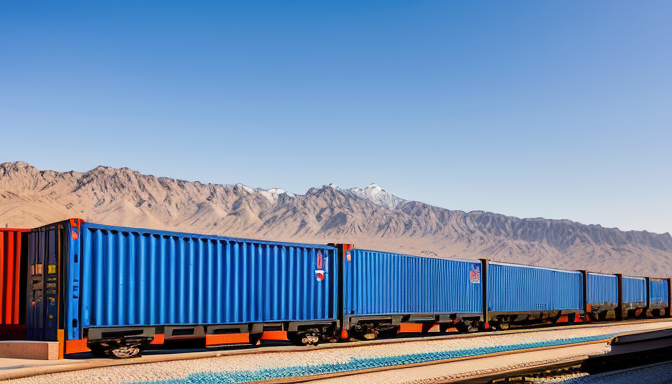
The rail transportation system between Iraq and Turkey offers a fascinating glimpse into the potential for cross-border connectivity. While many people think of roads when it comes to transportation, railways can be a game-changer. They provide a reliable and efficient way to move goods and people over long distances. However, the reality is that this mode of transport is currently underutilized and faces several challenges.
Historically, rail links have been crucial in connecting the two nations. They once served as vital arteries for trade and travel. But over the years, a lack of investment and modernization has left many of these railways in need of serious upgrades. Imagine trying to drive a car on a bumpy, unpaved road. That’s what rail transport is like without proper maintenance.
In terms of infrastructure, the existing rail lines are often outdated. They require significant investment to meet current demands. For instance, the tracks need to be upgraded, signaling systems need improvement, and stations must be modernized to handle increased passenger and freight traffic. This type of investment could lead to a more robust rail network that not only enhances connectivity but also stimulates economic growth.
Moreover, rail transportation offers several advantages over road transport:
- Cost-Effectiveness: Transporting goods by rail can be cheaper than by road, especially for bulk items.
- Environmental Benefits: Trains produce fewer emissions per ton-mile than trucks, making them a greener option.
- Capacity: Railways can handle larger volumes of goods, which can alleviate congestion on the roads.
However, the challenges are significant. Political issues can hinder the development of rail links. Additionally, there are logistical hurdles, such as the need for seamless integration with existing transportation networks. The lack of a cohesive strategy between Iraq and Turkey has often stalled progress. For instance, customs regulations can create bottlenecks at border crossings, making it difficult for goods to move freely.
To sum it up, while rail transportation between Iraq and Turkey holds great promise, it requires a concerted effort from both nations. Investments in infrastructure, along with improved cooperation, could pave the way for a more efficient and effective rail network. This would not only enhance trade but also strengthen the ties between these two neighboring countries.
Air Travel Options
When it comes to traveling between Iraq and Turkey, air travel has become a popular choice. Why? Because it’s fast, efficient, and often more convenient than other forms of transportation. Imagine skipping the long hours on the road, dodging traffic, and instead, soaring through the skies. Sounds appealing, right?
Both countries boast several major airports that serve as critical hubs for air travel. For instance, Baghdad International Airport and Erbil International Airport in Iraq are key gateways. On the Turkish side, Istanbul Airport and Ankara Esenboğa Airport play significant roles. These airports not only facilitate passenger transport but also handle a considerable amount of cargo services that are essential for trade.
However, it’s not all smooth flying. Air travel between Iraq and Turkey faces its own set of challenges. Regulatory hurdles can sometimes complicate flight schedules. For example, seasonal fluctuations in demand can lead to limited flight availability. Additionally, political tensions might impact air routes, causing last-minute cancellations or delays. This unpredictability can be frustrating for travelers and businesses alike.
To illustrate the current air travel landscape, let’s take a look at a comparison of flight options:
| Airport | Location | Key Destinations |
|---|---|---|
| Baghdad International Airport | Baghdad, Iraq | Istanbul, Ankara, Dubai |
| Erbil International Airport | Erbil, Iraq | Istanbul, Ankara, Frankfurt |
| Istanbul Airport | Istanbul, Turkey | Baghdad, Erbil, London |
| Ankara Esenboğa Airport | Ankara, Turkey | Baghdad, Istanbul, Berlin |
As you can see, there are multiple routes available, connecting major cities in both nations. This connectivity is crucial for enhancing business relations and boosting tourism. After all, who wouldn’t want to explore the rich history of Iraq or the vibrant culture of Turkey?
In conclusion, while air travel offers a faster and more efficient means of transport between Iraq and Turkey, it also faces regulatory and operational challenges. The key is to stay informed and flexible. Whether you’re traveling for business or leisure, understanding these dynamics can help you navigate the skies more smoothly.
Major Airports
When we think about air travel between Iraq and Turkey, the first thing that comes to mind is the **major airports** that serve as the gateways for passengers and cargo alike. These airports are not just buildings; they are bustling hubs of activity that connect people and businesses across borders. In Iraq, the most prominent airport is Baghdad International Airport, while in Turkey, Istanbul Airport stands out as a global transit point.
Baghdad International Airport, located approximately 16 kilometers west of the city center, is the largest airport in Iraq. It handles both domestic and international flights, providing a critical link for travelers and traders. The airport has undergone several renovations over the years, improving its facilities to enhance passenger experience. However, it still faces challenges such as limited flight options and outdated infrastructure.
On the Turkish side, Istanbul Airport has rapidly become one of the busiest airports in the world. With its state-of-the-art facilities and extensive flight network, it serves as a major hub for connecting flights to various destinations. The airport’s design emphasizes efficiency and comfort, making it a preferred choice for travelers. However, the sheer volume of traffic can lead to congestion and longer wait times, which can be frustrating for passengers.
Both airports play a pivotal role in facilitating trade between the two countries. They handle a significant amount of cargo, which is crucial for businesses relying on timely deliveries. For instance, the import and export of goods such as oil, textiles, and agricultural products depend heavily on these air routes. Yet, the efficiency of cargo transport can be hampered by regulatory hurdles and customs procedures.
Here’s a quick comparison of the two airports:
| Airport | Location | Key Features |
|---|---|---|
| Baghdad International Airport | Baghdad, Iraq | Largest airport in Iraq, handles international flights, undergoing renovations |
| Istanbul Airport | Istanbul, Turkey | One of the busiest airports globally, extensive flight network, modern facilities |
While both airports have their strengths, they also face unique challenges. For instance, political instability in Iraq can impact flight schedules and safety, leading to travelers reconsidering their plans. On the other hand, Istanbul Airport’s growth has been met with operational challenges, especially during peak travel seasons.
In conclusion, the major airports in Iraq and Turkey are vital for enhancing connectivity and promoting trade. They serve as lifelines for both nations, enabling not just travel but also economic exchanges that benefit businesses and communities. As the region continues to evolve, these airports will play an even more significant role in shaping the future of transportation.
Flight Connectivity
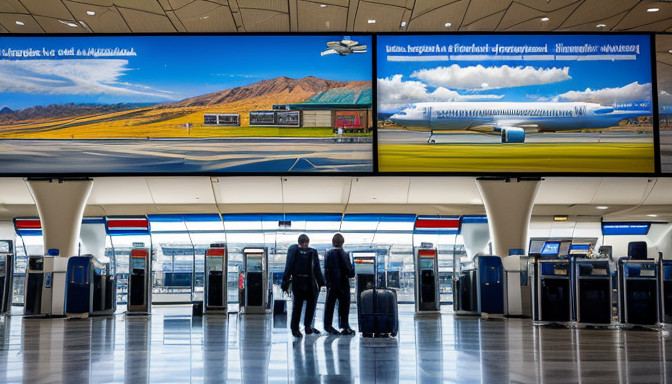
When we talk about between Iraq and Turkey, we are diving into a world where distance shrinks and opportunities expand. Imagine being able to hop on a plane and reach a bustling market in Istanbul or a serene landscape in Erbil within a few short hours. This is the beauty of air travel, but it’s not all smooth sailing.
Air travel has become increasingly popular, especially for business and tourism. The demand for flights has surged, and with it, the need for efficient connections. Major airports like Baghdad International Airport and Istanbul Airport serve as critical hubs. They don’t just facilitate passenger transport; they also play a vital role in cargo services, which are essential for trade. However, the connectivity isn’t always straightforward.
Flight schedules can be affected by various factors. For instance, seasonal fluctuations often lead to changes in flight availability. During peak tourist seasons, you might find more flights, while off-peak times can see a reduction. Additionally, political issues can create uncertainty, impacting how often flights operate between the two countries.
Here’s a quick look at some key aspects of flight connectivity:
- Major Routes: Direct flights connect major cities, making travel easier.
- Airlines: A mix of local and international airlines operate in the region.
- Challenges: Regulatory hurdles and operational issues can disrupt schedules.
Despite these challenges, the potential for growth in flight connectivity is significant. Improved air links can enhance business relations and boost tourism, offering travelers more choices and better access. The future looks promising, especially with ongoing efforts to modernize airports and streamline operations.
In conclusion, while flight connectivity between Iraq and Turkey has its hurdles, it remains a vital component of the relationship between the two nations. With continued investments and cooperation, we can expect a more robust air travel network that benefits everyone involved.
Trade Relations
The transportation links between Iraq and Turkey are not just roads and railways; they are the **lifeblood** of trade relations. These connections play a pivotal role in shaping the economic landscape of both nations. Think of it this way: without efficient transportation, goods sit idle, businesses lose money, and consumers miss out. The relationship between these two countries is like a well-oiled machine, where each part—be it transportation, trade agreements, or political ties—needs to function smoothly for the entire system to thrive.
Trade between Iraq and Turkey has a rich history. Both countries have relied on each other for various goods. Iraq exports oil, agricultural products, and textiles, while Turkey supplies machinery, electronics, and food products. This exchange is crucial for both economies, fostering growth and development. In fact, the trade volume has seen significant fluctuations over the years, influenced by political climates and economic policies.
However, the **transportation systems** that facilitate this trade are not without their challenges. Bureaucratic hurdles, customs regulations, and logistical issues can slow down the flow of goods. For instance, delays at border crossings can lead to increased costs for businesses, ultimately affecting prices for consumers. Imagine waiting in a long line, not knowing if your goods will arrive on time. It’s frustrating, right? This is a reality many traders face.
To give you a clearer picture, here’s a quick overview of the **import and export dynamics** between Iraq and Turkey:
| Goods Exported from Iraq | Goods Imported from Turkey |
|---|---|
| Oil | Machinery |
| Agricultural Products | Electronics |
| Textiles | Food Products |
This table highlights just a few of the key products exchanged between these nations. But there’s more to it. The **challenges in trade logistics** cannot be overlooked. Customs regulations can be a maze, and transportation costs can eat into profits. Traders often find themselves navigating a complex landscape, trying to find the best routes and methods to get their products to market.
Despite these challenges, the potential for growth in trade relations is substantial. With investments in transportation infrastructure and a commitment to improving **logistical processes**, both countries can enhance their economic ties. It’s all about working together, identifying pain points, and finding solutions that benefit everyone involved. After all, when one country thrives, it can lead to prosperity for the other as well.
Import and Export Dynamics
The between Iraq and Turkey are crucial for understanding the economic landscape of the region. These dynamics are not just numbers; they represent the lifeblood of trade, affecting everything from local businesses to international relations. Imagine how a simple product, like olive oil or textiles, travels from one country to another, crossing borders and cultures. It’s a journey filled with opportunities and challenges.
When we look at the **import** side, Iraq relies heavily on Turkey for various goods. This includes essential items such as machinery, food products, and construction materials. In fact, Turkey is one of Iraq’s largest trading partners. The flow of these imports is vital for Iraq’s economic stability and growth. However, the process is not always smooth. Bureaucratic red tape, customs regulations, and logistical issues can create bottlenecks. For instance, delays at border crossings can slow down the arrival of crucial supplies.
On the flip side, Iraq also exports a range of products to Turkey. Key exports include oil, agricultural products, and textiles. These exports are significant for Iraq’s economy, providing revenue and job opportunities. Yet, similar challenges exist. Fluctuating prices in global markets and political instability can affect the volume and value of these exports. It’s like riding a rollercoaster—there are ups and downs, and you never quite know what’s around the corner.
To give you a clearer picture, here’s a simple table illustrating some of the main imports and exports between the two countries:
| Category | Iraq Imports from Turkey | Iraq Exports to Turkey |
|---|---|---|
| Machinery | ✔ | ✔ |
| Food Products | ✔ | ✖ |
| Construction Materials | ✔ | ✖ |
| Oil | ✖ | ✔ |
| Agricultural Products | ✖ | ✔ |
| Textiles | ✖ | ✔ |
In summary, the import and export dynamics between Iraq and Turkey are a complex web of interactions. They are influenced by various factors, including political relations, economic policies, and even cultural ties. Understanding these dynamics is essential for anyone interested in the future of trade in the region. It’s not just about moving goods; it’s about building connections and fostering growth. As both nations continue to navigate their relationship, the potential for increased trade and cooperation remains bright.
Challenges in Trade Logistics
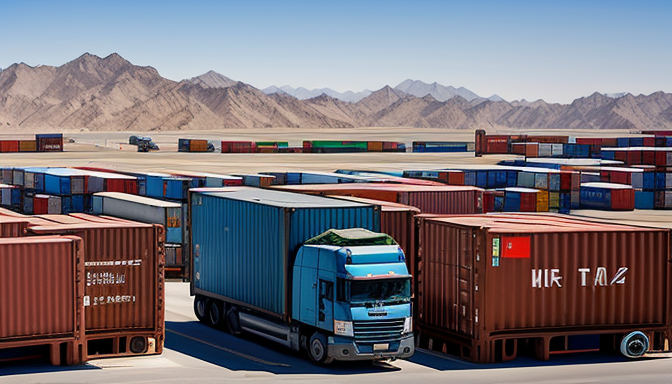
When we think about trade between Iraq and Turkey, it’s not just about moving goods from one place to another. It’s a complex web of challenges that can make or break the flow of commerce. Imagine trying to navigate a maze blindfolded. That’s how traders often feel when dealing with logistics in this region.
One of the biggest hurdles is the customs regulations. Each country has its own set of rules and procedures. Sometimes, these rules clash. For instance, a shipment that’s perfectly legal in Turkey might face scrutiny in Iraq. This can lead to delays, increased costs, and frustration for everyone involved. It’s like trying to fit a square peg in a round hole.
Another challenge is the transportation costs. With fluctuating fuel prices and tolls, the expenses can pile up quickly. Traders often find themselves caught in a tug-of-war between maintaining profit margins and managing rising logistics costs. This can affect the prices consumers pay, creating a ripple effect throughout the economy.
Additionally, infrastructure issues can cause significant delays. Many roads and border crossings are in desperate need of repairs. Imagine a busy highway full of potholes. Not only does it slow down transportation, but it also poses safety risks. These issues can deter businesses from investing in the region, leading to a stagnation in economic growth.
Moreover, security concerns cannot be overlooked. The political climate can change rapidly, impacting the safety of transporting goods. Traders often worry about the risk of theft or damage. This uncertainty can lead to higher insurance costs, which further complicates logistics planning.
In summary, the challenges in trade logistics between Iraq and Turkey are multifaceted. From customs regulations to infrastructure woes, each obstacle requires careful navigation. Addressing these issues is crucial for enhancing trade efficiency and fostering stronger economic ties between the two nations.
Future Prospects
The future of transportation between Iraq and Turkey is brimming with opportunities. As both nations look to enhance their connections, several factors will play a crucial role in shaping the landscape. First off, regional cooperation is key. Imagine two neighbors working together to build a bridge instead of a wall. That’s the kind of mindset needed to tackle transportation challenges head-on.
Investment in infrastructure is another critical aspect. Think of it as planting seeds in a garden. With the right resources, those seeds can grow into a thriving ecosystem. Both countries can benefit from improved roads, railways, and airports, which would not only facilitate smoother trade but also enhance travel experiences. The potential for economic growth is significant. According to recent studies, investing in transportation infrastructure can yield returns that far exceed the initial costs.
Here’s a quick look at some of the key investment opportunities:
- Road Maintenance: Upgrading and maintaining existing road networks can drastically improve safety and efficiency.
- Rail Modernization: Investing in modern rail systems can provide a reliable alternative to road transport.
- Airport Expansion: Expanding major airports can accommodate more flights and cargo, boosting tourism and trade.
Moreover, technological advancements are set to play a significant role in the future of transportation. Imagine smart traffic systems that can reduce congestion or automated customs processes that speed up border crossings. These innovations can make travel and trade not just quicker but also more secure.
Lastly, regional cooperation will be essential. Iraq and Turkey can work together to create policies that streamline transportation processes. This collaboration can lead to harmonized customs regulations, making it easier for goods to flow freely between the two countries. In essence, a united front could pave the way for a brighter, more interconnected future.
In conclusion, the future of transportation between Iraq and Turkey is full of promise. With strategic investments, technological advancements, and a commitment to regional cooperation, both nations can look forward to a transportation system that not only meets current demands but also sets the stage for future growth. The road ahead may have its bumps, but with the right approach, it can lead to a prosperous destination.
Investment Opportunities
When we think about the future of transportation between Iraq and Turkey, the word opportunity comes to mind. Both countries have a lot to gain from investing in their transportation infrastructure. Imagine smoother roads, modern rail systems, and bustling airports. This isn’t just a dream; it’s a possibility that can be realized with the right investments.
One of the most significant areas for investment is in road infrastructure. The existing roads are often plagued by maintenance issues and security concerns. By pouring resources into upgrading these networks, both nations can enhance trade efficiency. Think about it: better roads mean faster delivery times for goods, which can boost local economies.
Moreover, rail transportation presents a golden opportunity. Currently, rail links between Iraq and Turkey are underdeveloped. Investing in modern rail systems could provide a reliable alternative to road transport. It’s not just about speed; it’s also about reducing transportation costs. A well-connected rail network can facilitate the movement of heavy goods, making trade more accessible.
In addition to roads and rail, air travel is another area ripe for investment. Major airports in both countries can be upgraded to handle more flights and cargo. This would not only improve passenger travel but also enhance trade by facilitating faster cargo movement. With increased flight connectivity, tourism can thrive, bringing in revenue and cultural exchange.
To give you a clearer picture, here’s a table summarizing the potential investment areas:
| Investment Area | Potential Benefits |
|---|---|
| Road Infrastructure | Improved trade efficiency and reduced delivery times |
| Rail Transportation | Cost-effective transport for heavy goods |
| Air Travel | Enhanced passenger and cargo services |
But it’s not just about the infrastructure itself. Regional cooperation is crucial. Iraq and Turkey need to work together to create a seamless transportation network. This means aligning regulations, sharing resources, and even collaborating on security measures. When both countries come together, the benefits multiply.
In conclusion, the investment opportunities in transportation between Iraq and Turkey are vast and varied. By focusing on roads, rail, and air travel, both nations can pave the way for economic growth. The future is bright, and with strategic investments, the transportation landscape can transform into a thriving hub of trade and travel.
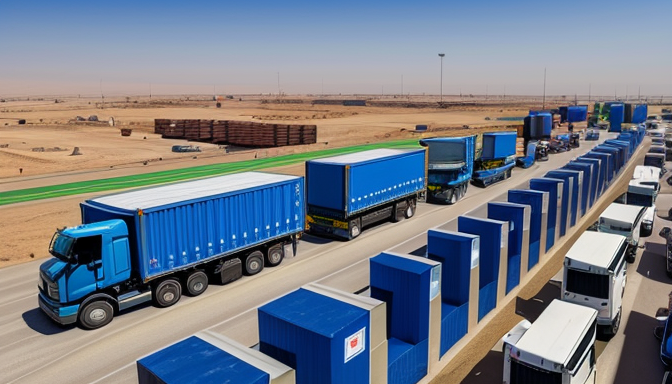
Regional Cooperation
between Iraq and Turkey is not just a buzzword; it’s a necessity. As both nations share a long border and intertwined histories, working together can unlock numerous benefits. Imagine a bridge, not just of concrete, but of mutual interests and goals. This cooperation can enhance trade, boost tourism, and improve overall relations.
One of the key areas where cooperation can flourish is in the realm of transportation infrastructure. By pooling resources and expertise, both countries can develop better roads, railways, and air travel options. For instance, joint investments in major highways can lead to faster transit times and reduced costs for businesses. This is crucial for both countries, as efficient transportation fuels economic growth.
Moreover, bilateral agreements can simplify customs procedures. When goods cross borders, they often get stuck in bureaucratic red tape. By streamlining these processes, both nations can ensure that products move swiftly, benefiting traders and consumers alike. Think about it: less waiting means more business. This is where cooperation can make a tangible difference.
However, it’s not just about trade. Security cooperation is equally vital. Both countries face challenges related to border security and internal stability. By sharing intelligence and resources, Iraq and Turkey can create a safer environment for their citizens and visitors. A secure region is a prosperous one, and this partnership can help achieve that.
Additionally, regional cooperation can pave the way for cultural exchange. When people from both nations interact, they build understanding and friendship. This can lead to increased tourism, which is beneficial for local economies. Imagine Turkish families visiting Iraq and vice versa, exploring each other’s rich cultures and histories. This kind of interaction fosters goodwill and strengthens ties.
In conclusion, the path forward for Iraq and Turkey is clear. Through , both nations can overcome challenges and seize opportunities. Whether it’s improving transportation, enhancing security, or fostering cultural ties, working together is the way to go. The future can be bright if they choose to collaborate.
Frequently Asked Questions
- What are the main transportation options between Iraq and Turkey?
The primary transportation options include road networks, rail transportation, and air travel. Each mode has its own set of advantages and challenges that affect trade and travel efficiency.
- How do road networks impact trade between Iraq and Turkey?
Road networks are crucial for facilitating the movement of goods and people. However, they face challenges like maintenance issues and security concerns, which can hinder effective transportation.
- What are the key border crossings between Iraq and Turkey?
Key border crossings include the Habur Gate and the Ibrahim Khalil border crossing. These points are vital for trade but often encounter bureaucratic delays and customs challenges.
- Is rail transportation a viable option for moving goods?
Rail transportation offers an alternative to road transport, but it requires significant investment and modernization to enhance connectivity and meet current demands.
- What are the major airports connecting Iraq and Turkey?
Major airports include Erbil International Airport in Iraq and Istanbul Airport in Turkey. These airports serve as critical hubs for both passenger and cargo transport.
- How does air travel improve connectivity between the two countries?
Air travel provides a faster and more efficient means of transport, enhancing business relations and tourism, although it can be affected by regulatory and operational challenges.
- What challenges do trade logistics face between Iraq and Turkey?
Logistical challenges include customs regulations, transportation costs, and infrastructure limitations that can hinder the smooth flow of goods across borders.
- What are the future prospects for transportation between Iraq and Turkey?
The future holds potential for growth driven by regional cooperation, infrastructure investments, and technological advancements that could enhance connectivity and trade efficiency.